
ISEK Elections 2026-2028
Members of ISEK in full standing, are entitled to participate in the election of members to serve on the Council for the 2026-2028 term. Members in good standing will have received a link directly to the email on their membership account for the electronic vote. Only members who are fully paid for the current year (2026 membership expiry) are eligible to vote in the election. Please review the information below and vote before the election closing date of March 9, 2026.
If you have not received the voting link, please contact the Secretariat to confirm your membership.
2026 Elections Timeline
Nominations open: January 19
Nominations close: February 9
Elections open: February 23
Elections close: March 9
Council Nominations
There are seven positions available for the 2026 – 2028 term. Members may cast up to seven votes to elect the next Council Members. The seven people with the highest cumulative votes will be voted in for the 2026 – 2028 term.
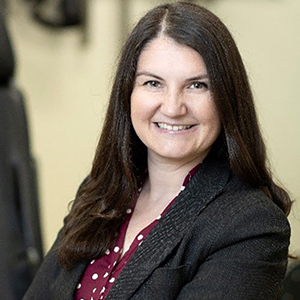
Filiz Ates
University of Stuttgart
Filiz Ateş, PhD, is head of the independent research group on experimental biomechanics at the University of Stuttgart, Germany. Her research focuses on multiscale skeletal muscle mechanics, integrating electrophysiology, inter- and intramuscular mechanical measurements, ultrasound shear wave elastography, MRI, and computational modeling to better understand neuromuscular function in health and disease.
Her work bridges experimental biomechanics and clinical application, with particular emphasis on muscle force production and transmission, extracellular matrix contributions, neuromuscular disorders, aging, and orthopedic interventions. She has led and contributed to several nationally funded projects, including grants from the German Research Foundation (DFG) and the Federal Ministry of Education and Research (BMBF), and has published over 40 peer-reviewed journal articles.
Dr. Ateş has held academic positions in Germany, the United States, Japan, France, and Turkey, fostering strong international collaborations across biomechanics, electrophysiology, and clinical research. She has been an active member of ISEK for many years and has regularly presented at ISEK congresses since 2016, including organizing a symposium at the 2024 meeting in Nagoya.
Her research aims to strengthen integrative approaches linking muscle electrophysiology, tissue mechanics, and translational rehabilitation technologies.
Statement:
I have been an active member of the ISEK community for many years and have regularly attended and contributed to its congresses since 2016. Throughout this time, ISEK has represented for me a uniquely interdisciplinary forum where electrophysiology, biomechanics, modeling, and clinical sciences converge around a shared interest in human movement and the neuromuscular system.
My research focuses on multiscale skeletal muscle mechanics, integrating electromyography with inter- and intramuscular mechanical measurements, ultrasound elastography, MRI, and computational modeling. By investigating muscle force production and transmission, including the role of the extracellular matrix and fascial connections, my group aims to better understand how neural activation translates into mechanical function across scales, from motor units to whole-muscle behavior. This integrative perspective aligns closely with ISEK’s commitment to multiscale and trans-scale approaches.
If elected to Council, I would aim to strengthen dialogue between electrophysiology and bio-mechanics communities, promote methodological rigor and technical innovation, and support early-career researchers within the society. I am particularly motivated to contribute to initiatives that enhance accessibility, representation, and mentorship across career stages and geographic regions. Having worked in multiple countries and disciplines, I value diverse scientific perspectives and believe that inclusive engagement strengthens both our community and the quality of our science.
ISEK has been an important scientific home for me, and I would be honored to contribute to its continued development as an equitable, internationally connected, and forward-looking society.
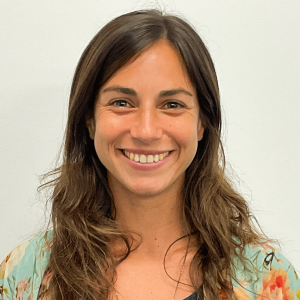
Manuela Besomi
The University of Queensland
Dr Manuela Besomi, PT, PhD, is a Research Fellow at The University of Queensland, Australia, specialising in neuromuscular function, rehabilitation, biomechanics, and behavioural determinants of musculoskeletal health and injury. She completed her PhD in June 2021, and by the time the new Council term commences, she will be approaching four years post-PhD relative to opportunity. Her research integrates electrophysiology, movement science, and behavioural frameworks to understand mechanisms underpinning injury risk, recovery, and adaptation in physically active populations.
Dr Besomi has an established international profile in electromyography (EMG) methodology. She served as the inaugural Chair of the ISEK Early Career Researcher Committee and continues to contribute to the Society through ongoing service and leadership initiatives. She is also a key contributor to the Consensus for Experimental Design in Electromyography (CEDE), a strategic initiative supported by ISEK aimed at improving methodological rigour, transparency, and reproducibility in EMG research. Through her involvement, she is well positioned to strengthen alignment between CEDE and ISEK and support its long-term integration within the Society.
Her work has been supported by competitive national and international funding and has produced high-impact publications and translational resources. She is committed to advancing methodological standards, fostering international collaboration, and contributing to ISEK’s continued leadership and global impact.
Statement:
ISEK has played a pivotal role in shaping my scientific development, and serving as the inaugural Chair of the Early Career Researcher Committee has deepened my commitment to strengthening the Society’s global community, methodological leadership, and future sustainability. Through this role, I have worked closely with Council members to develop initiatives that enhance engagement, mentorship, and visibility of early career researchers within ISEK.
My academic background as a physiotherapist and researcher, combined with my work in electrophysiology, biomechanics, and behavioural science, has positioned me to contribute to ISEK’s mission of advancing the understanding of neuromuscular function and human movement. I am actively involved in international collaborative initiatives, including the ISEK CEDE project, which aims to improve the transparency, consistency, and reproducibility of EMG research.
If elected as a Council Member, my goals are to:
- Strengthen engagement across career stages and geographic regions, particularly supporting early and mid-career researchers.
- Promote methodological excellence and open science initiatives to enhance research quality and reproducibility.
- Expand opportunities for collaboration, mentorship, and professional development within the ISEK community.
- Support strategic initiatives that increase the visibility, reach, and impact of ISEK globally.
I am highly motivated to contribute to the continued growth and strategic direction of ISEK and to support its role as a leading international society in electrophysiology and kinesiology.
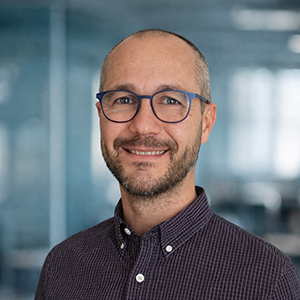
Alberto Botter
Politecnico di Torino
Alberto Botter holds a Ph.D. in Biomedical Engineering and is currently an Associate Professor of Biomedical Engineering at Politecnico di Torino (Italy), where he carries out his research activity at the Laboratory for Engineering of the Neuromuscular System (LISiN). His primary research interests include the development of innovative techniques and methods to investigate the electrical and mechanical properties of skeletal muscles. His work spans high-density surface electromyography, ultrasound imaging, electrical stimulation, and advanced electrode technology, with a strong emphasis on technological solutions enabling the integration of high-density EMG and ultrasound imaging. This activity has been complemented by extensive collaborations with life-science researchers, broadening his experience into several experimental contexts, from basic research to clinical applications. A significant part of his activity has been devoted to the dissemination and transfer of research outcomes. In this context, he is a co-founder of ReC Bioengineering, a spin-off company of Politecnico di Torino engaged in the development, production, and commercialization of medical devices for the detection and acquisition of electrophysiological signals. He is a member of the Editorial Board of the Journal of Electromyography and Kinesiology and serves as Associate Editor for IEEE Access. He has authored more than 100 peer-reviewed journal articles, four book chapters, and holds two patents on electrode technologies enabling the simultaneous acquisition of high-density surface EMG and ultrasound images.
Statement:
Alberto Botter is an Associate Professor of Biomedical Engineering at Politecnico di Torino, where his research focuses on the development of advanced experimental methods to investigate neuromuscular function, with particular emphasis on high-density surfaceelectromyography, ultrasound imaging, and their integration for the study of muscle properties. His work bridges engineering, kinesiology, and neuromechanics, spanning applications from basic research to clinical and functional assessment.
He has been an active member of ISEK for nearly 20 years, having participated in all ISEK congresses since the 2006 meeting in Torino, organized by LISiN research group. Throughout this period, he has consistently contributed to the society not only through scientific presentations, but also through the organization and participation in workshops and symposia. These activities have covered a broad range of topics, including tutorials on high- density EMG detection, methodological standardization, and combined investigation of electrical, anatomical, and mechanical muscle properties. He is also a member of the ISEK Technical Committee.
By seeking a position on the ISEK Council, he aims to contribute to the development of the society, with particular attention to the promotion and dissemination of best practices for the acquisition and analysis of electrophysiological signals. A further key objective is to support the training and engagement of early-career researchers entering the ISEK community, fostering methodological rigor, interdisciplinary dialogue, and continuity across generations. Through these efforts, he aims to help ensure that ISEK continues to serve as a reference point for high-quality neuromuscular research.
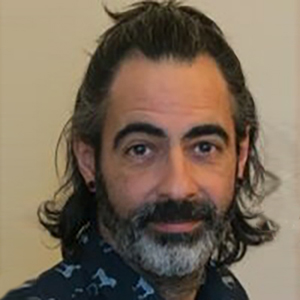
Laurent Bouyer
Université Laval
Dr. Bouyer did his PhD at McGill University (Canada) in the Aerospace Medical Research Unit, where his interest for human motor control began. He is currently a Full Professor in the School of Rehabilitation Sciences at Université Laval, Canada, and a Researcher at the Center for Interdisciplinary Research in Rehabilitation and Social Integration (Cirris) in Quebec City. He was the Director of the NeuroQuebec Research Center (https://neuroquebec.com/en/home/) from 2017 to 2025. His research program focuses on using EMG to study motor control and motor learning. Most of his research projects are carried out in interdisciplinary teams that combine health sciences and engineering. His specific research interests include: understanding the neural mechanisms underlying human gait control; remote EMG and movement sensing / telemetry in real-world environments; improving clinical tests using wearable EMG sensors; characterizing early indicators of muscle fatigue during complex movements and in complex environments; and developing new robotic technologies and EMG-based software for rehabilitation. He has published more than 125 peer-reviewed papers, has collaborators (past and present) in Canada and around the world (Denmark, Australia, France, USA), and conducts experiments in different settings (laboratory, clinic, field, zero-G airplane).
Statement:
Over the last 6 years, I have been involved with ISEK leadership at different levels. First, I was the co-president of the 2022 ISEK Congress in Quebec City. Then, I served as ISEK treasurer from 2022 to 2026. Over these years, I saw ISEK expand and I really enjoyed working with the other council members in helping that happen. I consider that we are in exciting times for the Society and would like to continue participating as a council member to put together initiatives that can help our members exchange and connect better from all areas around the world.
Jane Butler
University of Sydney
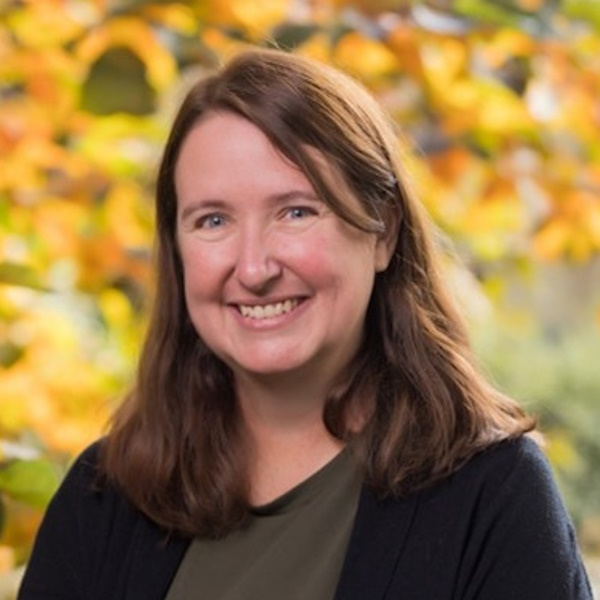
Professor Jane Butler (BSc, PhD) is a Senior Principal Research Fellow and SpinalCure Fellow at The Kolling Institute, University of Sydney, Australia. She is internationally known for research on the neural control of respiration and on neurorehabilitation after spinal cord injury (SCI). She co-founded and leads the Spinal Cord Injury Research Collaborative (SCIRC), a team of researchers examining both fundamental and translational outcomes in the neural control of movement after SCI, with the aim to identify and develop novel clinical methods improve limb, trunk and respiratory motor function. She has more than 200 peer-reviewed publications and has successfully attracted more than $27million funding over her career for both basic neurophysiology studies and clinical trials.
Statement:
I am a Senior Principal Research Fellow, SpinalCure Fellow and Professor at The Kolling Institute, University of Sydney, Australia. I have worked in the field of motor control for more than 30 years, mostly in the neural control of human breathing, motor units, fatigue, and recovery of function after spinal cord injury, including clinical trials. I am also an Associate Editor for the Journal of Neurophysiology.
As a council member since 2024, I have acted in the role of Secretary. I have been involved with and helped support and develop the aims of ISEK as a society, including the introduction of a new award and mentorship opportunities for members at the conference. I would like to see these mentorship opportunities expanded to members who are restricted from attending through personal circumstances. I enjoy working together with other incredible ISEK council members to achieve the aims of the society. Each time I have attended ISEK congresses, I have been inspired by the breadth and depth of the research presented and have enjoyed catching up with the latest research in the field with fantastic representation from all around the world. I am looking forward to attending again this year in Jyväskylä, Finland. I hope you will consider me as a nominee for the re-election of Council Member so that I can continue to serve and contribute to the ISEK community.
Allison Hyngstrom
Marquette University
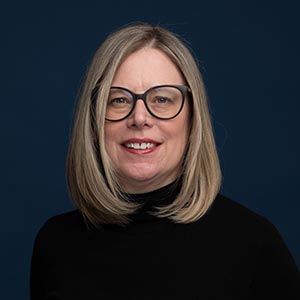
Allison Hyngstrom, PT, PhD, is a Professor and Chair of the Department of Physical Therapy and Associate Dean for Research at Marquette University in Milwaukee, Wisconsin, USA. Dr. Hyngstrom also holds significant leadership roles as Chair of the NIH Motor Function, Speech, and Rehabilitation Study Section and Director of the Clinical Research Scholars Program within the Clinical and Translational Science Institute of Southeast Wisconsin, where she has mentored over 45 earlycareer clinician scientists. Bridging clinical expertise as a licensed physical therapist with doctoral training in neuroscience, her research program investigates the central and peripheral mechanisms of neuromuscular fatigability and impaired force regulation in chronic stroke survivors. Dr. Hyngstrom uses highdensity surface EMG measurements to quantify strokerelated changes in motor unit firing behavior. Her innovative work examines the intersection of vascular and neuromotor function, leading to the development of ischemic conditioning as a novel intervention in the stroke population to enhance muscle activation and walking speed poststroke. Her research has been supported by extramural funding for nearly two decades, including multiple NIH R01 awards.
Statement:
It would be a great pleasure and honor to serve on the Council of ISEK. ISEK has been an important professional community for me, offering a collaborative forum that advances excellence in neuromuscular research. My primary motivation in seeking this role is to contribute to ISEK through service, mentorship, and the promotion of training opportunities. I am deeply committed to supporting students and earlycareer investigators, and I view ISEK as an important platform for fostering career development on an international scale. I am well suited to mentor and develop educational content on topics such as grant writing and professional development within an academic setting. As a Council member, I would work to strengthen mentorship pathways within ISEK, enhance trainee and earlycareer engagement, and promote accessible, highquality training opportunities through conferences, workshops, and educational initiatives. I am particularly interested in advancing initiatives that support interdisciplinary collaboration and ensure that ISEK remains a welcoming and forwardlooking scientific society.
Greig Inglis
Università degli Studi di Brescia
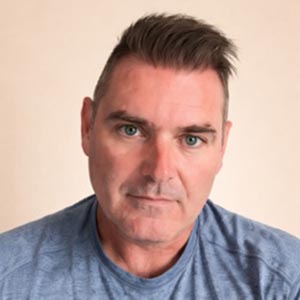
Dr. J. Greig Inglis holds a PhD in Clinical Neurophysiology and Biomechanics from Brock University, Canada, and is currently a Marie Skłodowska-Curie Actions (MSCA) postdoctoral fellow at the University of Brescia, Italy, where he works under the supervision of Prof. Francesco Negro.
Dr. Inglis’s research examines sex-related differences in the neural control of movement and the mechanisms underlying neuromuscular function. His work integrates biomechanics, advanced electromyography (EMG) acquisition, signal processing, and motor unit behaviour, with a particular emphasis on populations that have historically been underrepresented in neuromuscular research. A central aim of his research is to improve scientific inclusivity by ensuring that experimental methods and analytical approaches are optimized across diverse biological and physiological profiles.
A key component of his current work involves advancing non-invasive high-density surface EMG. Through the optimization of motor unit decomposition algorithms and the development of novel electrode configurations, Dr. Inglis seeks to improve the accuracy and applicability of EMG-based assessments of neural drive to muscle. His research bridges engineering, neuromechanics, and clinical science, contributing to a more comprehensive and inclusive understanding of human movement control.
Statement:
Dr. J. Greig Inglis holds a PhD in Clinical Neurophysiology and Biomechanics from Brock University, Canada, and is currently a Marie Skłodowska-Curie Actions (MSCA) postdoctoral fellow at the University of Brescia, Italy, working under the supervision of Prof. Francesco Negro. His research centres on sex-related differences in the neural control of movement, with particular emphasis on biomechanics, electromyographic acquisition, signal processing, and motor unit behaviour. A key focus of his work is the inclusion of underrepresented populations in neuromuscular research.
Dr. Inglis has been an active member of ISEK since 2008 maintaining a long-standing commitment to the society, presenting his work at meetings in Brisbane (2012), Chicago (2016), Dublin (2018), Quebec City (2022), Nagoya (2024), and the upcoming congress in Jyväskylä (2026).
With over 22 years of experience in electromyography and biomechanics, Dr. Inglis has employed a wide range of methodologies to study myoelectric signals during muscle contractions, including global, intramuscular, and more recently, the development and optimization of non-invasive high-density surface EMG. His MSCA fellowship specifically addresses sex differences in the optimization of HDsEMG, reflecting his broader commitment to interdisciplinary collaboration between engineering, neuromechanics, and clinical science.
By seeking a position on the ISEK Council, he aims to contribute to the strategic direction of the society, particularly in advancing inclusivity and strengthening the connection between clinical application and applied electrophysiology. If elected, he is committed to helping ensure that ISEK remains a vibrant, diverse, and forward-looking community for the next generation of researchers.
Jennifer (Jenn) M. Jakobi
University of British Columbia Okanagan
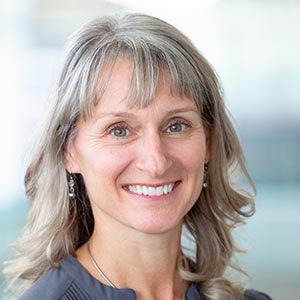
Dr. Jennifer (Jenn) Jakobi is a Professor in the School of Health and Exercise Sciences at the University of British Columbia Okanagan, Canada where she has been a faculty member since 2008. Trained in Kinesiology and Neuromuscular Physiology, her research program in Exercise Neuroscience focuses on sex-specific and age-related changes in neuromuscular function.
Her laboratory uses a combination of indwelling and high-density surface electromyography, ultrasonography, transcranial magnetic stimulation, and detailed force metrics to understand neural and muscular contributions to force control, and functional capacity across the lifespan. This work integrates mechanistic laboratory approaches with community- and patient- partnered research to inform exercise strategies that support functional independence and healthy aging.
Dr. Jakobi is also one of five national Chairs for Women and Inclusion in Science and Engineering (BC and Yukon Region) granted by the Natural Sciences and Engineering Research Council (NSERC) of Canada, and Director of the Institute for Healthy Living and Chronic Disease Prevention. Across these roles, she advances inclusive research environments, science
communication, and mentorship, with a particular emphasis on supporting women and other under-represented groups in the sciences. Her scholarly interests reflect a commitment to rigorous neuromuscular science, collaborative leadership, and translating research into meaningful health and exercise practice.
Statement:
My background combines academic leadership, scholarly service, and sustained commitment to equity, diversity, and inclusion (EDI), alongside extensive experience in conference organization and financial stewardship. As a Professor and NSERC Chair for Women and Inclusion in Science and Engineering, I work to advance evidence-informed approaches that support meaningful participation and retention of under-represented persons in Science, Technology, Engineering, and Math (STEM) disciplines.
I have served on executive boards and committees within professional societies, and bring over a decade of experience as treasurer for a national academic society. In this role, I supported transparent governance, responsible budgeting, and long-term financial sustainability, while working collaboratively with councils and conference committees. I have also co-hosted national, provincial, and regional conferences and workshops, contributing to program development, logistical planning, and financial oversight.
In seeking this position, my goal is to contribute meaningfully to scholarly excellence, fiscal responsibility, scientific rigor, and vibrant member engagement. I am motivated to support education and conference planning, with EDI rooted in society initiatives. I would work with relevant committees, such as Member Services and Educational Committees, to support initiatives that broaden participation across career stages and geographic regions and help ensure conference programs incorporate diverse representation, accessible formats, and mentorship opportunities supporting innovation in Electrophysiology and Kinesiology.
I would value the opportunity to work alongside other members of the council in service of the society’s mission, supporting its ongoing scholarly excellence, international engagement, and the interests of its membership.
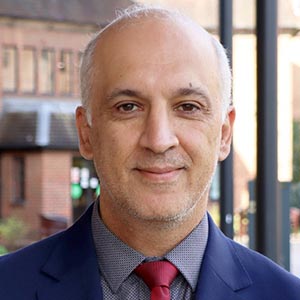
Omid Khaiyat
Liverpool Hope University
I am a Professor of Musculoskeletal Physiology and Health and Dean of the School of Health and Sport Sciences at Liverpool Hope University, UK. I graduated in Medicine in 1995 (MD) and obtained PhD in Musculoskeletal Science (Sports Medicine) from the University of Liverpool in 2006.
As a fully registered medical practitioner, I have strong clinical research collaborations, specialising in upper limb muscle/shoulder function and musculoskeletal health in chronic conditions such as Heart failure. My research focuses on using EMG in combination with other technologies to investigate normal muscle function, musculoskeletal health and pathologies, and evidence-based rehabilitation.
I Am currently the lead investigator for several projects and supervisor for 7 PhD students including Muscle Proteome Dynamics to Inform Healthy Ageing, A Multidimensional Study of Menstrual Cycle-Associated Modulations in Neuromuscular Function, Fatigability, and Physical Performance in Female Athletes, The pathophysiology of subacromial impingement syndrome, Optimising kinematic and maximising kinetic contributions to (sustainable) throwing performance, Muscle Ageing in older adults with and without Heart Failure, and Kinematics and Muscle Activation Profiles in Reverse Shoulder Arthroplasty.
I am Chair of the biannual Shoulder Rehabilitation Conference and a member of European Society for Shoulder and Elbow Rehabilitation (EUSSER) Scientific Committee. Alongside my clinical experience, I am a recognised research partner of the UK Sport Institute’s Upper Limb Research group.
Statement:
I have used surface and fine-wire EMG for more than two decades resulting in a comprehensive profile of publications with a particular focus on interdisciplinarity. In pursuing a wide-spread interests, I have established a biomechanics laboratory equipped with three EMG systems including a new HD EMG and related technologies to facilitate multidimensional assessment of human movement, with direct access to speciality labs, physiotherapy and sport rehabilitation clinics.
Within my specialist area of research (Shoulder/Upper Limb), I have employed integrated EMG approaches to explore muscle function during the progressive stages of upper limb injury in clinical and sporting populations, from the underlying pathophysiology, implications of the kinetic chain in shoulder function and the effectiveness of rehabilitation exercises.
In a broader area I have integrated EMG to a multidisciplinary package for the assessment of muscle health in ageing (sarcopenia), chronic conditions (Heart Failure), and female health.
It is this multi-factorial approach of combining EMG with other technologies to investigate muscle function in relation to basic science, clinical health conditions, musculoskeletal pathologies, and evidence-based rehabilitation that I hope to promote and support in the wider community.
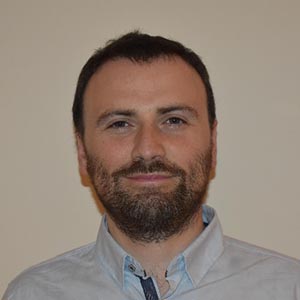
Eduardo Martinez-Valdes
University of Birmingham
Dr Eduardo Martinez-Valdes is an Assistant Professor in Musculoskeletal Physiotherapy at the School of Sport, Exercise and Rehabilitation Sciences, University of Birmingham, UK. His research focuses on the neuromuscular control of human movement, with particular emphasis on motor unit behaviour, tendon mechanics, and pain-related adaptations in both healthy and clinical populations. He is internationally recognised for his work using high-density surface electromyography to investigate neural strategies underlying motor performance, motor learning, and rehabilitation.
Dr Martinez-Valdes’ research spans basic and applied science, examining how acute and chronic musculoskeletal pain, tendon pathology, ageing, and neurological conditions alter motor unit recruitment and firing behaviour. A central aim of his work is to translate advanced neuromechanical measurements into clinically meaningful insights that inform rehabilitation practice and improve patient outcomes. He has published over 80 peer-reviewed articles and serves on the editorial boards of the Journal of Electromyography and Kinesiology and the Journal of Applied Physiology. His research has been supported by organisations including Orthopaedic Research UK, Muscular Dystrophy UK, The Physiological Society, and the Vivensa Foundation.
In addition to his research, Dr Martinez-Valdes leads and contributes to training programmes in human physiology, exercise science, and neuromechanical research methods. He collaborates widely with clinicians and international research groups and is committed to interdisciplinary approaches that bridge neurophysiology, biomechanics, and clinical practice.
Statement:
I have an internationally recognised research profile in neuromuscular physiology, motor unit behaviour, and the application of advanced electromyography techniques. My work integrates high-density surface electromyography, biomechanics, and clinical research to address both fundamental and applied questions related to motor control, pain, rehabilitation, and neuromuscular disorders.
Through more than 80 peer-reviewed publications and active service on the editorial boards of leading journals in the field, I have contributed to advancing electrophysiological methodologies and their translation into clinically meaningful outcomes. My research spans both healthy and clinical populations, aligning closely with the interdisciplinary mission of the International Society of Electrophysiology and Kinesiology.
In seeking a position on the ISEK Council, I aim to support the Society’s role in promoting methodological rigour, fostering collaboration between basic and clinical scientists, and enhancing opportunities for early-career researchers. I am particularly motivated to contribute to initiatives that strengthen knowledge exchange, expand educational activities, and increase the international visibility and impact of electrophysiology and kinesiology research within both academic and clinical communities.
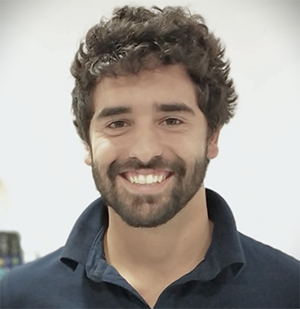
Ricardo Mesquita
Karolinska Institutet
With a background in Sports Science and in Neuromuscular Physiology, Ricardo is a postdoctoral researcher at the Division of Clinical Physiology at Karolinska Institutet (Sweden) and has been an ISEK Council member since February 2023. He holds an adjunct lecturer position at Edith Cowan University (Australia) and contributes to an online platform for scientific dissemination in Sports Science (YLM SportScience). Ricardo’s academic path has taken him through Portugal, the UK, Finland, Canada, Australia, and Sweden. He completed his undergraduate degree in Sports Science at Faculdade de Motricidade Humana (Portugal), pursued a master’s in Biology of Physical Activity at the University of Jyväskylä (Finland), and obtained his PhD focusing on motoneuron physiology from Edith Cowan University (Australia). He is currently 3.2 years post-PhD, adjusted for full-time equivalent parental leave. Since completing his PhD, Ricardo has secured ~680 000 € in external research funding as principal or co-applicant. Ricardo is interested in understanding how motoneurons control our muscles, and in how we can use this knowledge to improve muscle control in health and disease. Being a topic of interest for ISEK, Ricardo has presented his research at ISEK 2018 (Dublin), 2020 (online), 2022 (Québec), and has submitted an abstract for ISEK 2026.
Statement:
Over the past years, I have had the opportunity to contribute extensively to ISEK through a range of leadership roles. In 2021, I joined ISEK’s inaugural ECR Committee. In February 2023, I was internally selected to fill a vacancy as an ECR representative on the ISEK Council and the Member Services Committee. I was subsequently elected ECR Council Member (Postdoctoral) for 2024–2026 while also joining the Communications Committee.
I have contributed to the ISEK leadership with an ECR perspective, while engaging with broader society priorities. Through this experience, I have developed a strong understanding of ISEK’s governance and strategic priorities, which I aim to now build on as a full Council member.
I have led key initiatives including: the pioneering “ISEK Around the World” 15-hour global online event; a recent online workshop where 94.5% of participants reported increased confidence on grant writing; development and coordination of Society newsletters; enhanced ISEK’s online presence on Twitter/X; and co-created surveys to understand members’ preferences in several domains. I also led the development of ISEK’s conflict-of-interest policy for award selections, supported Congress organising committees, and co-developed a motion guiding the transition of ISEK communication channels from X to LinkedIn.
I aim to ensure continuity of successful initiatives, and I particularly look forward to contributing to discussions on the Society’s vision and financial priorities to (1) reduce ISEK 2028 registration costs, (2) expand tiered registration to reduce barriers for ECRs and underrepresented countries, and (3) expand internal and external funding opportunities for travel grants.
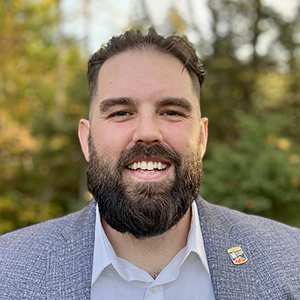
Greg Pearcey
Memorial University of Newfoundland
Dr Gregory Pearcey is an Assistant Professor in the School of Human Kinetics and Recreation at Memorial University of Newfoundland (MUN). He completed a Bachelor of Kinesiology and MSc with Duane Button in Neuromuscular Physiology at MUN before pursuing a PhD in Neuroscience with Paul Zehr at University of Victoria. He then trained under CJ Heckman and Zev Rymer during two postdoctoral fellowships at Northwestern University, where he acquired a newfound love for decoding the neural control of human motor output in health and disease. He now directs the Neural Interface for Movement Lab with an overall goal of decoding the neural control of real-world human movements with applications to the augmentation and repair of function in affected populations. Dr Pearcey integrates neurophysiological tools such as high-density surface and intramuscular electromyography, percutaneous stimulation, dynamometry, and kinematic analysis to study motor unit behavior, spinal reflexes, and movement control with particular interest in examining how interventions like exercise, training, and acute intermittent hypoxia can modulate the nervous system and aid rehabilitation. Beyond his research laboratory, Dr. Pearcey is actively involved in the broader scientific community. He organizes and hosts the Motor Unit Group Seminar Series, fostering international collaboration among researchers in the field, and serves on the Board of Directors for the Canadian Society for Exercise Physiology and the Advisory Council of the International Society of Electrophysiology and Kinesiology.
Statement:
Hi everyone! My name is Greg, and I am an Assistant Professor at Memorial University of Newfoundland in North America’s oldest city, St. John’s. My lab studies the neural control of human movement through the application of high-density surface and intramuscular electromyography. We decompose these signals into motor unit spike trains to understand alterations in motoneuron firing under various conditions. My love for motor units began during my postdocs with CJ Heckman and Zev Rymer at Northwestern University in Chicago. Prior to that, I did a PhD under the supervision of Paul Zehr at University of Victoria, where I studied sensory- and locomotor-induced modulation of reflex pathways and gained a profound passion for promoting trainees and science communication. Combining my love for motor units with my passion for the promotion of trainees and science communication led me to ISEK, of which I have been a member of since 2017. I have served on the Early Career Researcher Committee from 2021-2024, ISEK council from 2024-2026, was the co-organizer and a chair for the first ISEK Around the World, spoke in two symposia at ISEK 2022 in Quebec City, chaired and spoke in two separate symposia and two workshops at ISEK 2024 in Nagoya, and served on the abstract review committee for ISEK 2026 in Jyvaskyla, at which I will speak in one workshop and chair a symposium. I am continuously optimistic about the future ISEK and its members, the potential for growth around the world, and the role that I can play in facilitating the experience of everyone in the field of movement science as a member of ISEK Council.
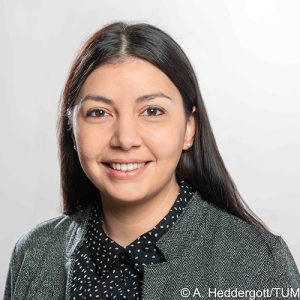
Cristina Piazza
Technical University of Munich
Cristina Piazza received a B.Sc. in Biomedical Engineering, a M.S. in Automation and Robotics Engineering and a PhD degree in Robotics (summa cum laude, 2019) from the University of Pisa (Italy). She subsequently moved to Chicago (USA) where she worked as a postdoctoral researcher at Northwestern University and the Shirley Ryan AbilityLab (former RIC). Since 2020, Prof. Piazza is Tenure-Track Assistant Professor (W2) at the Technical University of Munich (TUM). Her research integrates biomechanics, neuroscience, and robotics to study human movement and to design assistive systems. Her work spans experimental studies with human participants, clinical collaborations, and translational robotic systems.
Prof. Piazza is actively involved in the international scientific community through extensive editorial, conference, and leadership roles. She is General Chair of IEEE/RAS CBS 2026 and Co-Chair of two IEEE/RAS Technical Committees. She serves as Associate Editor for major journals (e.g. IEEE TBME, IEEE RAL), as well as for conferences including ICRA, ICORR, and BioRob.
Dr. Piazza has received several academic awards, including the Best Paper Award at IEEE Humanoid 2012, ADM 2025, and IEEE CBS 2025, as well as the Dr. Kanako Miura Award, the PhD Talent 2019 award, and the Kevin P. Granata from ISEK in 2026.
Statement:
I am very pleased to be considered for election to the ISEK Council and would be honored to contribute to the society’s mission.
My academic background lies at the intersection of biomechanics, neural control, and robotics. My research focuses on understanding the neuromechanical principles underlying human movement and translating this knowledge into assistive devices, particularly in the context of upper-limb loss. Through interdisciplinary collaborations with clinicians, neuroscientists, and engineers, I have experienced firsthand the importance of strong scientific platforms such as ISEK in accelerating the impact of research on real-world applications.
If elected, I would aim to support three main aspects. First, to strengthen interdisciplinary dialogue between biomechanics, physiology, neuroscience, and emerging technologies (e.g. robotics and AI) by encouraging cross-topic scientific sessions, educational initiatives (e.g. summer schools) and panel discussions that promote exchange across communities. Second, to reinforce the Society’s translational dimension by supporting scientific programming and initiatives that connect researchers, clinicians, and end-users. Third, to enhance the engagement and visibility of early-career researchers by organizing dedicated networking events (e.g. lunch with leaders), where senior leaders share their career milestones, challenges, and personal trajectories beyond scientific achievements. Ensuring broad participation across genders, regions, disciplines, and career stages would remain a central objective of these initiatives.
I strongly believe in ISEK’s role as a global platform for inclusive and impactful interdisciplinary research, and I would welcome the opportunity to support the society in this capacity.
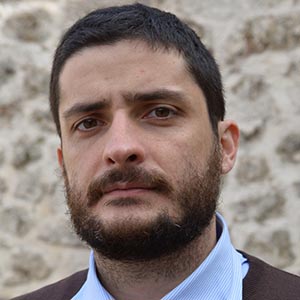
Giacomo Severini
University College Dublin
I received my PhD in Biomedical Engineering at Roma Tre University in 2012, under the supervision of Prof. Silvia Conforto. I was a Research Assistant/Associate at the Spaulding Rehabilitation Hospital from 2011 to 2015, a Postdoctoral Researcher at Harvard Medical School from 2012 to 2015, a Research Associate at the NeuroRehabilitation Unit of the Ferrara University Hospital from 2013 to 2016. Since 2016 I am a faculty member in the School of Electrical and Electronic Engineering at University College Dublin, starting as Assistant Professor (tenured since 2020) and Associate Professor since 2024. I am Associate Editor of Journal of NeuroEngineering and Rehabilitation (since 2014), IOP Progress in Biomedical Engineering (since 2018), IEEE Open Journal of Engineering in Medicine and Biology (since 2020) and Scientific Reports (since 2022).
Statement:
My original training was in Signal Processing applied to biomedical signals (EEG and EMG) for the study of strategies of motor control in healthy and impaired individuals. During my postdoctoral training I have focused my research interest to NeuroRehabilitation technology. My current research aims at the development of technology and methodology to improve rehabilitation outcomes of impaired individuals, with a focus on the use of robotics and neuromechanical modeling for improving lower limb rehabilitation of stroke survivors.
My current research aims at developing physiologically plausible models of lower limb neural control (over different tasks) and to use them to characterize and predict short- and long-term neuromuscular control adaptations during/after training with bespoke end-effector robots.
I wish to become a Council Member of ISEK, as it is the society that best aligns with my research focus. I believe that my expertise and motivation could be useful to the society, and I would be interested in organizing activities on Neuromechanical Modeling that are less focused on biomechanical aspects and more on practical and realistic applications of this technology in rehabilitation and motor control.
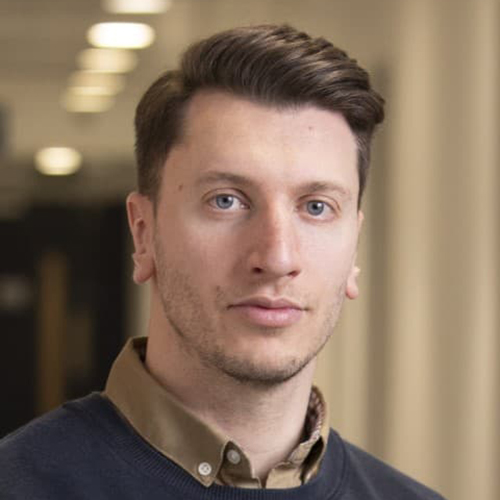
Jakob Škarabot
Loughborough University
Dr Jakob Škarabot completed his BSc in Kinesiology at the University of Ljubljana in 2014 before pursuing an MSc in Biomechanics at the University of Jyväskylä. In 2019, he earned his PhD in Neurophysiology from Northumbria University (UK), focusing on neural alterations associated with ageing.
Following his PhD, Jakob was awarded the Vice-Chancellor’s Independent Research Fellowship at Loughborough University, enabling him to establish an independent research profile before his appointment as Lecturer in Neuromuscular Physiology in 2020 and promotion to Senior Lecturer in 2024. His research spans motoneuron physiology in health and disease (e.g., osteoarthritis, motor neurone disease) and advanced EMG signal processing.
Jakob serves on the Editorial Boards of the Journal of Physiology, Journal of Applied Physiology, and Medicine & Science in Sports & Exercise, and is a member of the OT Bioelettronica Advisory Board. Within the School of Sport, Exercise and Health Sciences at Loughborough University, he holds leadership roles including Global Engagement Lead and Programme Leader for the MSc in Strength and Conditioning. An active ISEK member since 2018 and a finalist for the 2024 De Luca Award, Jakob remains committed to advancing high-quality electromyography research and supporting the global neuromechanics community.
Statement:
Since joining in 2018, ISEK has provided a scientific community, mentorship, and platforms that have shaped my career, and I would welcome the opportunity to contribute to an organisation that has been central to my development.
My background reflects a long-standing commitment to neuromuscular and electrophysiological research. I completed my BSc in Kinesiology at the University of Ljubljana, MSc in Biomechanics at the University of Jyväskylä, and PhD in Neurophysiology at Northumbria University. I am now Senior Lecturer in Neuromuscular Physiology at Loughborough University, where my lab’s research spans motoneuron physiology in health and disease and EMG signal processing, producing several trainee ISEK members in the process.
My vision for ISEK is to strengthen and broaden its global reach whilst maintaining the scientific standards that define our community. Membership is the foundation of a vibrant society, and I am committed to retaining current members whilst proactively engaging regions and research areas that remain underrepresented. I believe that increasing geographical and scientific diversity enriches our collective expertise and reflects ISEK’s values of inclusivity.
In my experience, ISEK congresses are essential for scientific exchange, career development, and collaboration. I will work to ensure the congress and Society remain financially sustainable without becoming inaccessible; with affordability, broad participation, and earlycareer support as core priorities. Additionally, I aim to support initiatives that expand methodological training, digital resources, and opportunities for cross‑disciplinary collaboration. ISEK is strongest when its members feel connected, supported, and engaged, and I would be honoured to contribute to its future.
Council Nominations: Early Career Researcher Council Member — Pre doctoral
There is one position available for the 2024 – 2026 term. The candidate with the highest votes will be voted in for the 2024 – 2026 term.
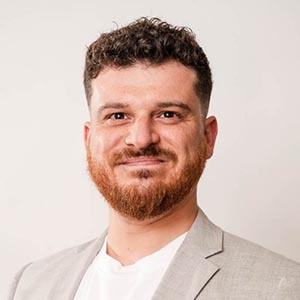
Giacomo Nardese
Queensland University of Technology
My academic journey has been shaped by curiosity, mobility, and a growing desire to contribute to a vibrant scientific community. I completed my BSc in Sports Science at the University of Urbino and a MSc at the University of Bologna, where my interest in biomechanics sparkled. This led me to pursue a MRes at the University of Birmingham, UK, focusing on pain and shoulder motor control.
Presenting my work at ISEK in Quebec City and in Nagoya was a defining experience. As an ECR surrounded by leaders in electrophysiology and movement science, I felt a strong sense of belonging and a clear motivation to actively contribute to the growth of this community.
I’m currently a PhD candidate at Queensland University of Technology and the University of Queensland, Australia. My research explores supraspinal mechanisms underlying shoulder motor control and their adaptation to pain, bridging biomechanics and neuroscience.
I’ve served already as ERC representative, organising ISEK Around the World (2nd edition, 2025), expanding participation to underrepresented regions (e.g., South America and India) and contributing to the development of ERC-led initiatives. I’m also a contributor for the CEDE project. I am keen to continue fostering inclusivity, continuity, and meaningful global engagement within ISEK.
Statement:
I first presented at ISEK 2022 in Quebec City near the end of my Master of Research, which also marked my first true deep dive into the world of EMG. As an early career researcher surrounded by the “giants” of electrophysiology and movement science, I quickly realised two things: how much I still had to learn, and how much I wanted to be part of this community. That feeling was only strengthened at ISEK 2024 in Nagoya.
Since then, I have had the privilege of serving as ERC representative, turning enthusiasm into action. Over the past term, I organised ISEK Around the World (2nd edition), bringing together participants from 15 countries and expanding representation to underrepresented regions, including South America and India. I also contributed to the development of a free, accessible decision-making tool in collaboration with the CEDE project, and supported the design and delivery of all activities led by the ECR Committee during the previous term.
Looking ahead, my goal is simple: keep the momentum going. I aim to strengthen continuity across ERC initiatives, further grow ISEK Around the World, and support accessible ways to showcase research and connect our community—such as enhancing the ISEK YouTube presence in collaboration with the Communications Committee. ISEK thrives on great science, but even more on engaged people, and I would be excited to continue contributing to both as ERC representative.
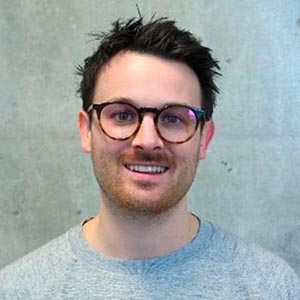
Ryan Foley
Ontario Tech University
Ryan Foley is a PhD student in Health Sciences at Ontario Tech University (Ontario, Canada), where his research focuses on computational modelling of muscle fatigue with applications in manufacturing ergonomics. His theoretical work investigates recovery rates of human motor units during neuromuscular fatigue. His applied work, in collaboration with General Motors, develops and validates fatigue and recovery models to improve predictions of worker endurance in automotive assembly tasks. This research is supported by Mitacs Accelerate and NSERC Discovery grants.
Prior to his PhD work, Ryan completed his B.Sc. and M.Sc. at Wilfrid Laurier University under the supervision of Dr. Jayne Kalmar, investigating cortical pathways of movement coordination and the task dependence of intrinsic alpha motor neuron properties. He has served for eleven years as an undergraduate laboratory technician, supporting courses in exercise physiology, biomechanics, ergonomics, and sports medicine, earning a staff excellence award for dedication to research and teaching. His expertise spans neuromuscular modelling, fine-wire intramuscular EMG, HDsEMG, signal processing, force quantification, and motion capture. He developed open-source tools for muscular endurance prediction and EMG data conversion, and presented at international conferences including the Society for Neuroscience, International Society of Electrophysiology & Kinesiology, and International Ergonomics Association.
Statement:
I attended ISEK 2022 in Quebec City for my first international PhD presentation. It remains the most welcoming international conference I have attended. During a CEDE workshop, I met senior scientists whom I continue to admire, many of whom did not speak my language, but whose support was inspiring. When I struggled with HD-EMG analysis, ISEK tutorials were a guiding light. ISEK members share datasets, tutorials, and guidelines that are particularly vital for ECRs. I want to contribute to this culture of support and drive new initiatives.
My research predicts neuromuscular fatigue and recovery to prevent worker injury, demanding knowledge across research domains and making me an interdisciplinary connector. As a Canadian-Italian researcher, I want to foster innovation through applied partnerships with ISEK members worldwide. My industrial internship at General Motors was transformational, and I will advocate for ECRs to explore such partnerships early, whether to broaden scientific perspectives or as a launchpad to careers in industry, government, or technology.
A common frustration I hear from fellow ECRs is time lost to administration. I will champion emerging AI productivity tools that sharpen the quality of our research while reclaiming time for the people in our lives. As a parent of two children, ages 1 and 3, and navigating a non-traditional path through academia, I am passionate about supporting ECRs building families alongside their careers. Success in science and family life should not be mutually exclusive, and I want to build a community where researchers feel genuinely supported in pursuing both.
Council Nominations: Early Career Researcher Council Member — Post doctoral
There is one position available for the 2024 – 2026 term.
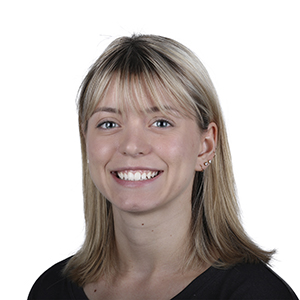
Sophia Jenz
University of Michigan
Sophie recently received her PhD in Neuroscience from Northwestern University and is currently a postdoctoral research fellow at the University of Michigan. Her research focuses on the mechanisms underlying sex-related differences in neurophysiology and the influence of fluctuating sex hormones on the motor system, both in younger females and across the lifespan. She served this past term as the ISEK Council Early Career Researcher (ECR) pre-doctoral representative and is passionate about creating opportunities for students and ECRs within the ISEK community. Outside of the lab, Sophie is a certified personal trainer and is passionate about promoting female health and well-being through strength training. Bringing these interests together, her overarching goal as a scientist is to deepen our understanding of female physiology and translate this knowledge into practical strategies that help women improve their health.
Statement:
My name is Sophie. I am currently a postdoctoral researcher with Dr. Sandra Hunter, and I recently completed my PhD under the supervision of Dr. CJ Heckman. I served the previous term as the ECR pre-doctoral council member and co-chair of the ECR Committee for ISEK.
My involvement with the ISEK community began in 2022 when I attended my first Congress in Quebec City. I felt immediately welcomed by members of the society, and that experience motivated me to become more involved and help ensure other students feel just as supported when they attend ISEK for the first time. Since then, I have remained an active member of the society.
Over the past two years, I have contributed through invited symposia, workshop organization, and by helping facilitate communication between the ECR Committee and the ISEK Council. At the 2024 Congress, I co-led the first ECR Workshop and will lead a similar workshop again this coming summer in Jyväskylä. In addition to my work with the ECR Committee, I have also served on the Diversity, Inclusion, and Belonging Committee.
I hope to continue serving as both a council member and co-chair of the ECR Committee. The ECR Committee is a group with many exciting ideas, and ECR involvement in ISEK has continued to grow. My goal is to continue initiatives started this past term, such as the ECR webinar series, while creating new opportunities for ECRs to connect with each other and the broader ISEK community throughout the year.
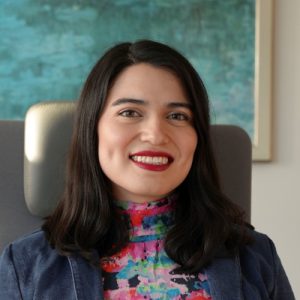
Elisa Romero Avila
RWTH Aachen University
I obtained my bachelor’s degree in biomedical engineering from Universidad La Salle, Mexico, followed by a master’s degree in Human Technology in Sports and Medicine at the German Sport University Cologne. I am currently in the final stages of my PhD at RWTH Aachen University under the supervision of Prof. Catherine Disselhorst-Klug. My doctoral work, supported by a scholarship from both Mexico and Germany’s federal government, focuses on developing innovative methods for the detection and quantification of spasticity.
Having trained in both Mexico and Germany, I bring an international and interdisciplinary perspective to my work. I have authored multiple peer-reviewed publications, and my work is driven by the goal of transforming scientific knowledge into meaningful real-world impact.
Beyond research, I serve as Student Representative and Social Media Officer for the International Society of Biomechanics, am a member of the Early Career Researcher Committee of ISEK, the Technological Innovation Committee of the Mexican College of Biomedical Engineers, and the Social Media Committee of International Women in Biomechanics. Additionally, as a scholarship recipient and international researcher, I strongly advocate for equitable access to research opportunities, international collaboration, and inclusive scientific networks fostered through mentorship and strategic science communication.
Statement:
My professional trajectory has been shaped by an interdisciplinary and international approach to rehabilitation engineering and electrophysiology. My research focuses on advancing methods for the detection and quantification of spasticity, with the broader goal of improving how quantitative muscle activity parameters support rehabilitation assessment and technology development. Throughout my career, I have remained committed to transforming scientific knowledge into real-world applications.
Beyond research, I have been deeply engaged in scientific leadership and volunteering. I currently serve on the Council of the International Society of Biomechanics, where I have gained experience in communication, representation, and international coordination. I am also an active member of the Early Career Researcher Committee of ISEK, contributing to initiatives that promote inclusion and professional development. These roles have allowed me to build strong connections with colleagues across related societies. Within the Technological Innovation Committee of the Mexican College of Biomedical Engineers, I collaborate in developing strategies that foster innovation in biomedical engineering in Mexico. Additionally, as part of the Social Media Committee of International Women in Biomechanics, I contribute to the planning and management of digital communication strategies aimed at increasing the visibility and recognition of women in biomechanics.
I am applying for an ECR Post Doctoral position to represent and advocate for the needs of postdoctoral researchers within ISEK. This includes the development of programs that provide guidance for career development, professional growth, and building meaningful collaborative networks. Strengthening connections between ISEK and related international societies is also a priority for me.