
ISEK Elections 2026-2028
Members of ISEK in full standing, are entitled to participate in the election of members to serve on the Board for the 2026-2028 term. Members in good standing will have received a link directly to the email on their membership account for the electronic vote. Only members who are fully paid for the current year (2026 membership expiry) are eligible to vote in the election. Please review the information below and vote before the election closing date of March 9, 2026.
If you have not received the voting link, please contact the Secretariat to confirm your membership.
Council Vice President Nominations
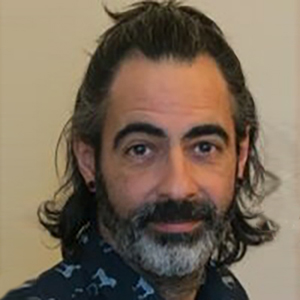
Laurent Bouyer
Université Laval
Dr. Bouyer did his PhD at McGill University (Canada) in the Aerospace Medical Research Unit, where his interest for human motor control began. He is currently a Full Professor in the School of Rehabilitation Sciences at Université Laval, Canada, and a Researcher at the Center for Interdisciplinary Research in Rehabilitation and Social Integration (Cirris) in Quebec City. He was the Director of the NeuroQuebec Research Center (https://neuroquebec.com/en/home/) from 2017 to 2025. His research program focuses on using EMG to study motor control and motor learning. Most of his research projects are carried out in interdisciplinary teams that combine health sciences and engineering. His specific research interests include: understanding the neural mechanisms underlying human gait control; remote EMG and movement sensing / telemetry in real-world environments; improving clinical tests using wearable EMG sensors; characterizing early indicators of muscle fatigue during complex movements and in complex environments; and developing new robotic technologies and EMG-based software for rehabilitation. He has published more than 125 peer-reviewed papers, has collaborators (past and present) in Canada and around the world (Denmark, Australia, France, USA), and conducts experiments in different settings (laboratory, clinic, field, zero-G airplane).
Statement:
Over the last 6 years, I have been involved with ISEK leadership in different roles, first as co-chair of the 2022 ISEK Congress in Quebec City and more recently as ISEK treasurer (2022-2026). Over these years, I saw ISEK expand and I really enjoyed working with the other Council members in helping that happen. I consider that ISEK is a growing community, and my goal, as Vice-President, would be to contribute/support initiatives that can help our members exchange and connect from all areas of the world, thereby strengthening the development and dissemination of high-quality science and teaching in the fields of electrophysiology and kinesiology. My involvement with ISEK Council has provided me with good knowledge of our Society’s operations, strengths, and areas where further development is possible. My work as a researcher in interdisciplinary teams, collaborator/mentor of researchers/students from different countries, and director of a large research center (over 100 researchers and 400 graduate students) has allowed me to develop leadership skills and the ability to support diverse teams. Working together with the President and Council, my goal as Vice‑President would be to leverage these experiences to further strengthen ISEK’s growth and mission. Key initiatives that I consider important to support include: 1) the continued development of our Society’s resources and partnerships (CEDE project, ISEK Around the World, Tutorials, and Teaching Repository); and 2) ensuring that ISEK Congress remains accessible by reducing the conference’s operating costs. Additional initiatives will likely emerge during the two-year term, and I look forward to contributing to them as well.
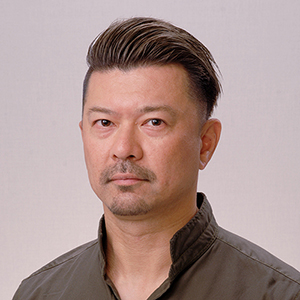
Kohei Watanabe
Chukyo University
Kohei Watanabe is Professor of School of Health and Sport Sciences (Director of Laboratory of neuromuscular biomechanics) at Chukyo University, Toyota, Japan. He received M.S. degree from Nippon Sports Science University in 2007 and the PhD degree from Nagoya University in 2010. From 2010 to 2011, he was working at Laboratory of Applied Physiology, Graduate School of Human and Environmental Studies, Kyoto University as a Postdoctoral researcher of Japan Society for the Promotion of Science. In 2011, he was also working at Laboratory for Engineering of the Neuromuscular System (LISiN) of Politecnico di Torino, Italy as a visiting researcher. In 2012 he was appointed as Associate Professor of School of International Liberal Studies at Chukyo University, Japan. In 2020, he was assigned as Professor Faculty of Liberal Arts and Sciences at Chukyo University, Japan. In 2021, he was assigned as Professor of School of Health and Sport Sciences at Chukyo University, Japan. His research topics are the effects of exercise, nutrition, aging, and development on human neuromuscular system. In particular, he published various studies for motor unit activation properties in older adults and neuromuscular control of bi-articular muscles using high-density surface EMG technique.
Statement:
Kohei Watanabe works as ISEK council member from 2012 to 2014 and 2016 to present as voted member and/or congress chair (non-voted member). He was assigned as the congress chairs of ISEK2020 and 2024 which were held as virtual conferences and face-to-face meetings in Nagoya, Japan. Also, he plays important role as a bridge between Asian countries and world since he was only one member from Asian countries in this decade and the ISEK 2024 was the first conference held in Asia in two decades. He currently works as president of the Japanese Society of Electrophysiology and Kinesiology and organizes local science community too. Moreover, as chair of the educational subcommittee, he is now trying to develop ISEK community from the educational aspects. He is organizing the webinar for sharing the teaching technique and/or experience of electrophysiology in top researchers. These novel actions as the educational subcommittee would help to build new value of “traditional” ISEK community while new scientific societies and communities are increasingly established. From these experiences in ISEK, Kohei Watanabe will contribute to future ISEK for 1) helping the sustainable managements of the ISEK conferences based on his abundant experience for conference organization, 2) making more strong connections with the countries or regions which are not active in ISEK activation for recruiting new members, and 3) re-creating the existence values of ISEK in the related research area via committee/subcommittee activities.